
Gutter Installation in Santa Teresa: What Homeowners Need to Know
Lone Star Contracting explains why proper gutter installation matters for Santa Teresa homes and how to protect your property year-round.
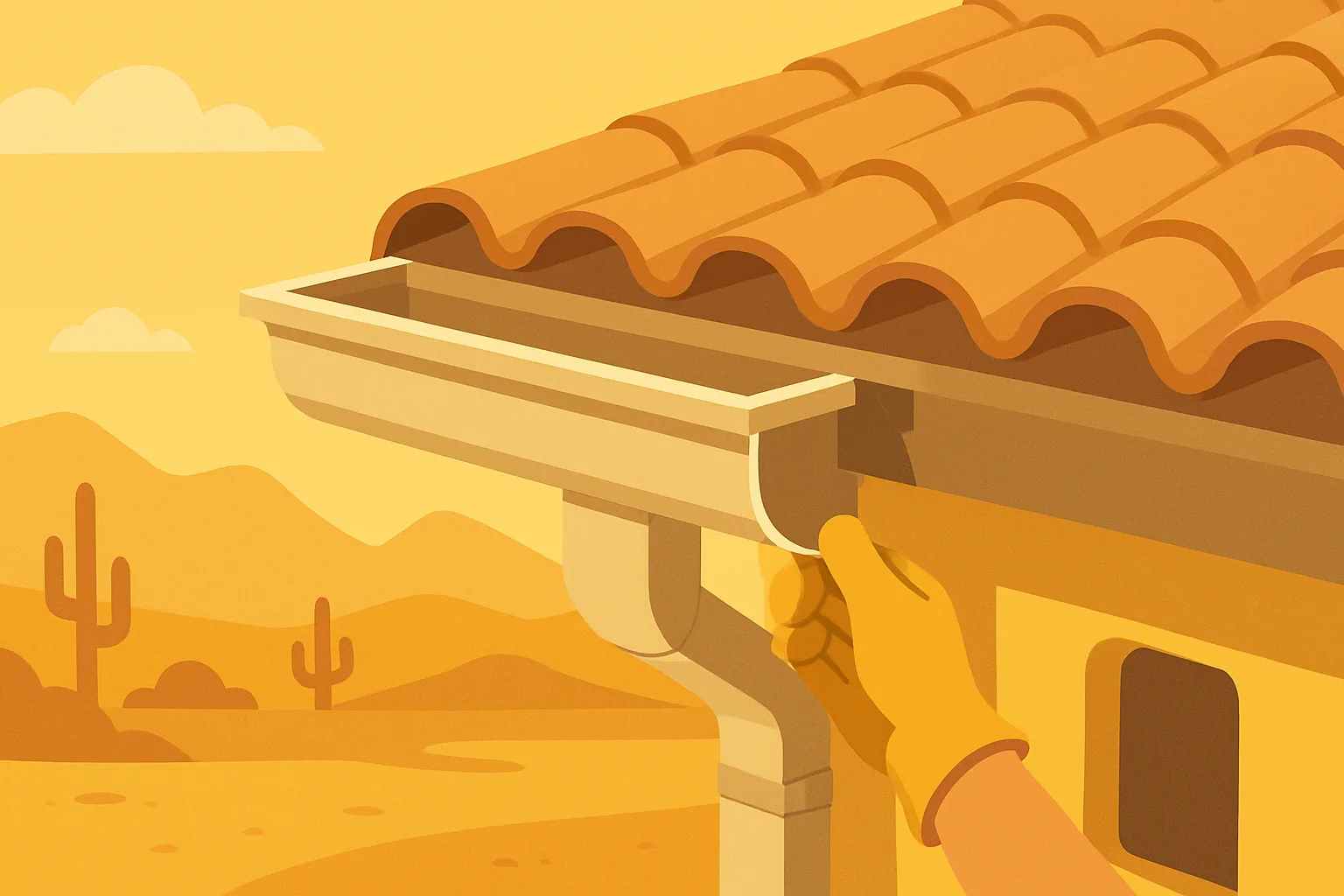
Santa Teresa has grown into one of the most desirable communities along the New Mexico–Texas border, attracting homeowners who appreciate the wide lots, desert landscapes, and proximity to both El Paso and Sunland Park. But with that open, high-desert terrain comes a roofing and drainage challenge that many new residents underestimate: when the monsoon rains arrive, they arrive fast and hard. Without a properly installed gutter system, that sudden downpour can erode your foundation, saturate your stucco walls, and send water sheeting into your garage or entryway before you have time to react. At Lone Star Contracting, we install gutters for homeowners throughout Santa Teresa and the surrounding communities, and this guide covers everything you need to know before you invest.
Why Santa Teresa Homes Are Especially Vulnerable
The high desert climate here is deceptively dry most of the year, which leads many homeowners to assume gutters are optional. They are not. The monsoon season — typically July through September — delivers intense, concentrated rainfall that the hard-packed caliche soil simply cannot absorb quickly. That water has to go somewhere, and without gutters directing it away from your home, it pools against your foundation and under your slab. Homes in Santa Teresa also tend to feature low-pitch rooflines and wide eaves common to Southwestern and ranch-style architecture, which means water does not shed the way it would on a steep traditional roof — it drips and runs along the roofline edge with far less predictability. Neighbors in Sunland Park, La Union, and Anthony face the same monsoon dynamics, and we see the same foundation and stucco damage patterns across all of these communities when gutters are missing or failing.
Choosing the Right Gutter System for the Desert Southwest
Not every gutter product is a good fit for our climate. Here is what we recommend for homes in Santa Teresa and the wider region:
- Seamless aluminum gutters: These are cut on-site to the exact length of your roofline, eliminating the joints where leaks most often start. Aluminum resists rust and handles our temperature swings — from summer heat above 100°F to winter nights that occasionally dip below freezing — better than vinyl.
- 5-inch K-style profile: The K-style gutter holds more water volume than a round half-round profile, which matters when a monsoon cell drops half an inch of rain in twenty minutes.
- Gutter guards or leaf screens: Even in the desert, cottonwood seeds, mesquite pods, and wind-blown debris clog gutters fast. A quality micro-mesh guard dramatically reduces cleaning frequency.
- Proper pitch and downspout placement: Every run of gutter needs a slight slope toward the downspout — typically about a quarter inch of drop per ten feet. Downspouts should discharge at least four to six feet away from your foundation, ideally into a splash block or buried drain line.
The Installation Process: What to Expect
A professional gutter installation from Lone Star Contracting begins with a thorough measurement of every eave and roofline section, followed by a check of your existing fascia boards. Rotted or soft fascia cannot hold gutter hangers securely, and installing gutters over damaged wood is one of the most common mistakes we see when homeowners hire inexperienced crews. We replace any compromised fascia before hanging a single section. Our team then fabricates seamless runs on-site, installs hidden hanger brackets spaced no more than two feet apart for strength, seals all end caps and mitered corners with high-grade sealant, and positions downspouts where they will move water away from your home most effectively. The entire installation on a typical Santa Teresa single-story home takes one day or less.
How Gutters Work Together with Your Roof System
Gutters do not work in isolation — they are the last line of defense in a complete roofing and drainage system. If your roof has damaged or missing shingles, cracked flashing, or compromised drip edge, water will find its way behind even the best gutter installation. Before we hang any gutters, we always recommend a roof inspection to catch any underlying issues. Homes across our service area — from Canutillo in the river valley to the newer subdivisions in Chaparral and Vado — benefit most from gutters when the roof underneath them is sound and watertight. If our inspection turns up storm damage or worn shingles, we can handle storm damage repair at the same time, giving you a fully protected home rather than a patchwork fix.
Maintenance Tips to Protect Your Investment
Once your gutters are installed, a little routine care goes a long way in our environment:
- Inspect and clean gutters at least twice a year — once before monsoon season and once after the fall winds bring desert debris.
- Check downspout outlets after every major storm to make sure they are flowing freely and directing water away from the foundation.
- Look for sagging sections or separated hangers, which are often caused by the weight of debris-packed gutters or wind events common across the Chihuahuan Desert region.
- Re-seal any end caps or mitered corners that show signs of cracking after a few years of temperature cycling.
Ready to protect your Santa Teresa home with a professionally installed gutter system? Lone Star Contracting serves homeowners throughout Santa Teresa, El Paso, Sunland Park, La Union, Anthony, Canutillo, and every community in between. Request your free quote today and let our team build a drainage solution that stands up to desert monsoons for years to come. You can also learn more about our complete gutter installation services to see everything we offer before you call.
Get Your Free Quote
Licensed, insured, and ready to help. Let's get it done right.