
Roof Inspection in La Union: What Homeowners Need to Know
Learn why a professional roof inspection in La Union protects your home and what to expect from the process with Lone Star Contracting.

A roof inspection in La Union can catch small problems before they turn into costly repairs. Homes in this area face intense desert sun, high winds, and seasonal dust storms that wear down roofing materials faster than many homeowners expect. Getting a professional inspection on a regular schedule is one of the smartest things you can do to protect your home.
Why La Union Homes Need Regular Roof Inspections
La Union sits in the Rio Grande valley, where the climate is hard on roofs. The sun beats down for most of the year. Summer heat pushes attic temperatures to extreme levels. Winter nights can drop below freezing, and that back-and-forth causes roofing materials to expand and contract over time.
Many homes in the area have flat or low-slope roofs, which are common throughout the region including nearby Sunland Park and Anthony. These roof styles collect debris and standing water more easily than steep-slope roofs. That makes regular inspections even more important.
What a Roof Inspection Covers
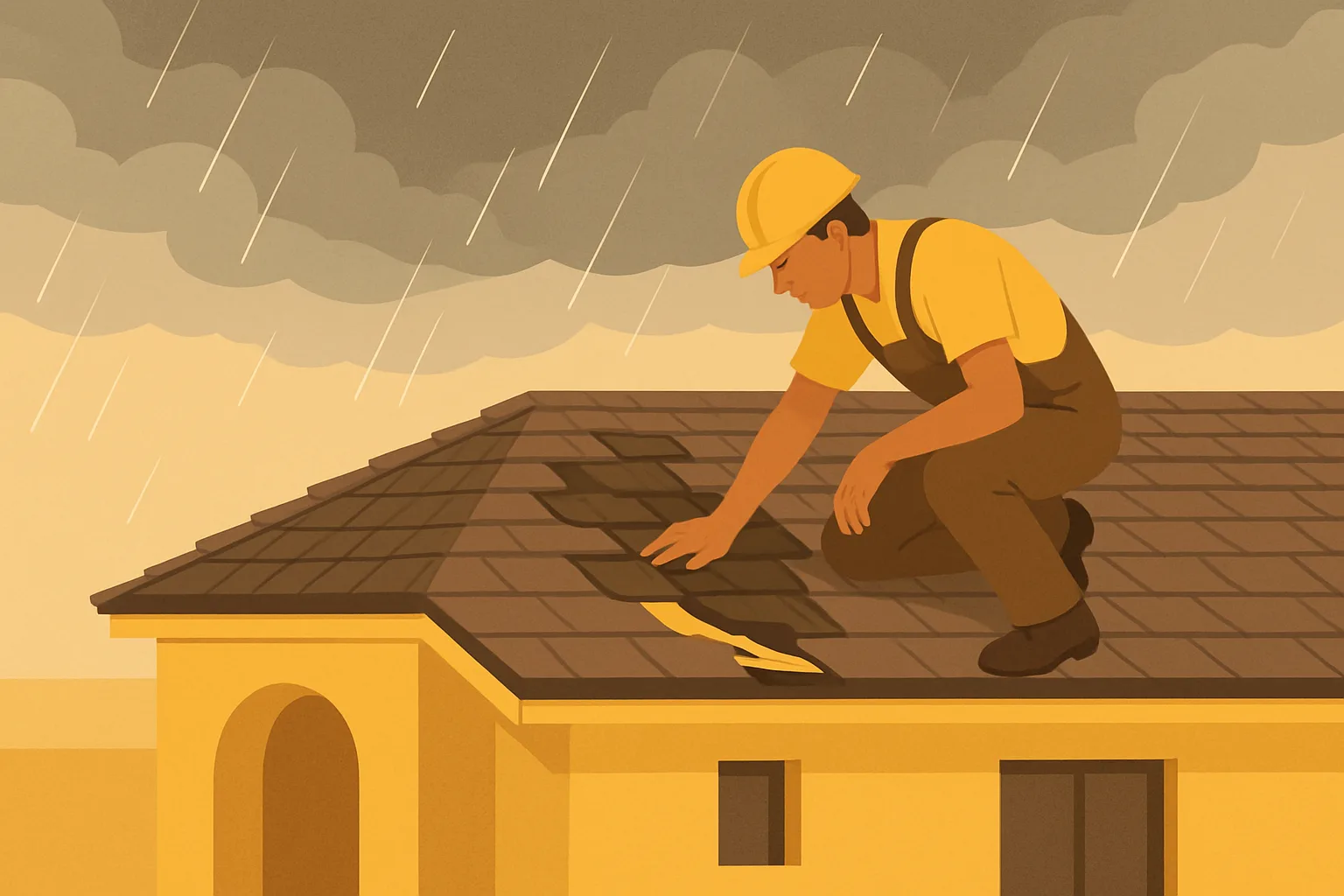
A thorough inspection looks at every part of your roof system, not just the shingles or membrane on top. Here is what a qualified roofer checks during a visit:
- Roofing surface: Missing, cracked, or curling shingles. Blistering or bubbling on flat roof membranes.
- Flashing: Metal strips around chimneys, vents, and edges. Loose or rusted flashing is a common leak point.
- Gutters and drainage: Clogged or sagging gutters can hold water against your roofline. This is especially common after the dusty spring winds common in La Union and neighboring Vinton.
- Fascia and soffits: Rotting wood along the roof edge can let moisture and pests inside.
- Attic ventilation: Poor airflow traps heat and moisture, which shortens the life of your roof from the inside out.
- Structural concerns: Sagging decking or rafters that may indicate long-term water damage.
How Often Should You Schedule an Inspection?
Most roofing professionals recommend an inspection at least once a year. Twice a year is better if your home is older or if it has experienced recent weather events. In the El Paso region, the late summer monsoon season brings heavy rain and hail in a short window. After any significant storm, it is a good idea to call for a professional look rather than waiting for your annual checkup.
Homeowners in Canutillo, Westway, and throughout the valley often discover storm damage weeks after a weather event, once a leak finally shows up on an interior ceiling. By then, the damage is usually worse and more expensive to fix. Early inspection prevents that situation.
Signs You Should Not Wait for a Scheduled Inspection
Some warning signs mean you should call a roofer right away. Do not delay if you notice any of the following:
- Water stains on ceilings or walls inside your home
- Shingles or roofing material on the ground after wind
- Visible daylight in your attic
- Granules from shingles collecting in your gutters
- A roof that is 15 or more years old with no recent professional review
If storm damage is involved, a prompt call for storm damage repair can help you document the problem and move forward with repairs before more water gets in.
What Happens After the Inspection
Once the inspection is complete, a good contractor will walk you through the findings clearly. They will point out what needs attention now, what can wait, and what looks fine. You should receive a written summary of the findings.
Depending on what the inspector finds, next steps might include:
- Minor roof repair for isolated problem spots
- A full roof replacement if the overall system is at the end of its useful life
- Gutter work to improve drainage away from the roofline
- Flat roof maintenance if your home has a low-slope system common in this area
For homeowners with flat or low-slope roofs, our flat roofing service page has more details on the specific materials and maintenance involved.
Choosing a Local Roofer in the La Union Area
Working with a contractor who knows the La Union area matters. Local roofers understand how the desert climate, the sandy soil, and the regional wind patterns affect roofing systems here. They also know the housing styles common across nearby communities like Chaparral, Berino, and Vado.
Ask any roofer you consider hiring whether they carry liability insurance and workers compensation. Ask for references from other homeowners in the area. A contractor familiar with La Union and the surrounding communities will give you advice that fits your actual situation, not a one-size-fits-all answer.
Questions Homeowners Ask
How long does a roof inspection take?
Most residential inspections take between 45 minutes and two hours depending on roof size and complexity. Your roofer will let you know what to expect before they begin.
Will the inspector go up on my roof?
A thorough inspection includes walking the roof surface when it is safe to do so. The inspector may also use binoculars or a camera on an extension pole for areas that are difficult to access safely.
Does a roof inspection cover the inside of my home?
A complete inspection often includes a look at your attic space to check for moisture, ventilation problems, and structural issues that are not visible from outside.
What if I only have a small leak?
Small leaks still deserve prompt attention. Water travels along rafters and decking before it drips down, so the visible wet spot inside your home may not be directly below the source of the problem.
If you are in La Union, Anthony, Sunland Park, or anywhere across the region, contact Lone Star Contracting today to schedule your free quote. Visit our roof inspection page or fill out the form at our quote request form and a local expert will get back to you quickly.
More from our blog


Get Your Free Quote
Licensed, insured, and ready to help. Let's get it done right.